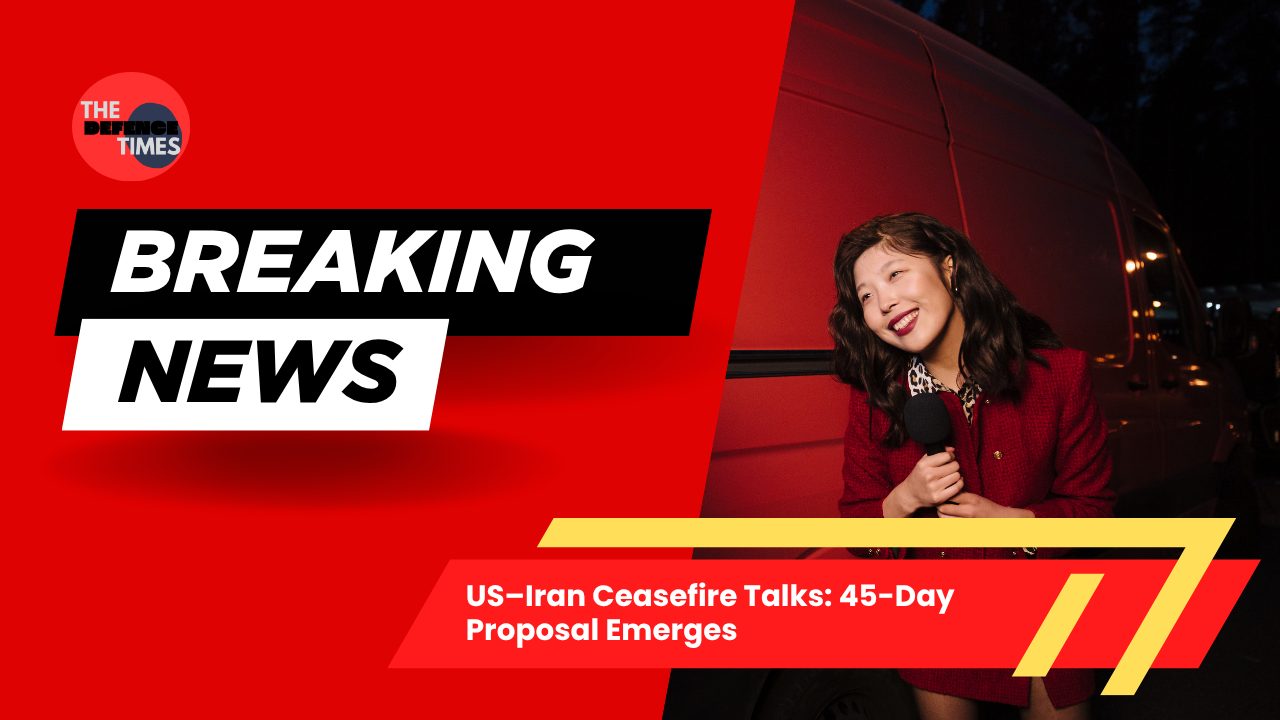
A Fragile Window for Peace Opens
Amid escalating tensions in West Asia, fresh diplomatic efforts are underway between the United States and Iran to establish a temporary 45-day ceasefire, according to multiple international reports.
The proposed ceasefire is reportedly part of a two-phase framework aimed at halting ongoing hostilities and creating space for broader negotiations to end the conflict. While no official agreement has been confirmed, the talks are being described as a critical last attempt to prevent further escalation.
Backchannel Diplomacy in Motion
The negotiations are not happening in public headlines but behind closed doors, involving key regional players.
- Mediators: Pakistan, Egypt, and Turkey
- US Representative: Special envoy Steve Witkoff
- Iran Representative: Foreign Minister Abbas Araghchi
Sources indicate that discussions are ongoing through backchannel communication, a common tactic in high-stakes diplomacy where public pressure could derail sensitive talks.
However, insiders suggest that a breakthrough in the next 48 hours remains unlikely, highlighting the complexity and mistrust between both sides.
Why This Ceasefire Matters
The urgency behind these talks is driven by a rapidly worsening regional situation:
- Iran has reportedly restricted access to the Strait of Hormuz, a vital global oil route.
- The disruption has triggered rising oil prices worldwide.
- Several countries are facing fuel supply concerns, increasing global economic pressure.
The Strait of Hormuz carries nearly 20% of the world’s oil supply, making any blockade a serious threat to global stability.
Trump’s Deadline and Escalation Threats
US President Donald Trump has intensified the situation with a series of aggressive statements and deadlines directed at Iran.
In a recent message, Trump set a new deadline (Tuesday, 8 PM ET) for Iran to comply with demands, including reopening critical shipping routes.
He warned of severe consequences if Iran fails to act, including potential strikes on:
- Power plants
- Bridges
- Key infrastructure
In interviews, Trump claimed the US is in a “very strong position” and suggested that Iran could face long-term devastation if tensions escalate further.
At the same time, he also hinted at a possible deal, stating there is a “good chance” negotiations could succeed.
Iran Pushes Back Against Threats
Iranian leadership has strongly rejected the US stance.
Parliament Speaker Mohammad Bagher Qalibaf condemned the threats as:
- “Reckless”
- A potential violation of international law
Tehran has maintained that any attack on civilian infrastructure would be considered a war crime, further deepening the diplomatic standoff.
A Two-Phase Peace Plan?
Though details remain limited, reports suggest the proposed ceasefire could unfold in stages:
Phase 1: Immediate De-escalation (45 Days)
- Temporary halt in military operations
- Limited reopening of critical trade routes
- Humanitarian access and aid delivery
Phase 2: Long-Term Negotiations
- Broader peace framework
- Security guarantees
- Regional stability agreements
This phased approach reflects past diplomatic models used in conflicts where trust is low but urgency is high.
Global Stakes: More Than Just a Regional Conflict
This situation is not just about the US and Iran. The ripple effects are global:
- Energy markets are already reacting
- Shipping routes remain uncertain
- Geopolitical alliances are being tested
For countries like India, which rely heavily on imported oil, prolonged instability could mean:
- Higher fuel prices
- Inflation pressure
- Economic slowdown risks
What Happens Next
The coming days are critical.
- If negotiations succeed → A temporary pause in conflict could stabilize markets
- If talks fail → The region may face direct military escalation
For now, diplomacy is walking on a thin line between peace and confrontation.
Final Take
This isn’t just another headline. It’s one of those moments where a few decisions behind closed doors could decide whether the world cools down… or spirals into something much bigger.
And somehow, all of this depends on deadlines, backchannel talks, and leaders who type like they’re tweeting during a cricket match. Humanity really said “let’s run geopolitics like a group chat.”
Still, if this ceasefire holds even briefly, it might buy the world something rare these days… time to breathe.
Read More: US–Iran Tensions Rise: Reports of Downed Aircraft and Escalation Signals
About the Author


1 thought on “US–Iran Ceasefire Talks: 45-Day Proposal Emerges Amid Rising War Tensions”