A Controversial FBI Memo Continues to Shape Political Debate in America
Can an intelligence report change careers years after it was written?
That question is now at the center of a growing debate in Washington.
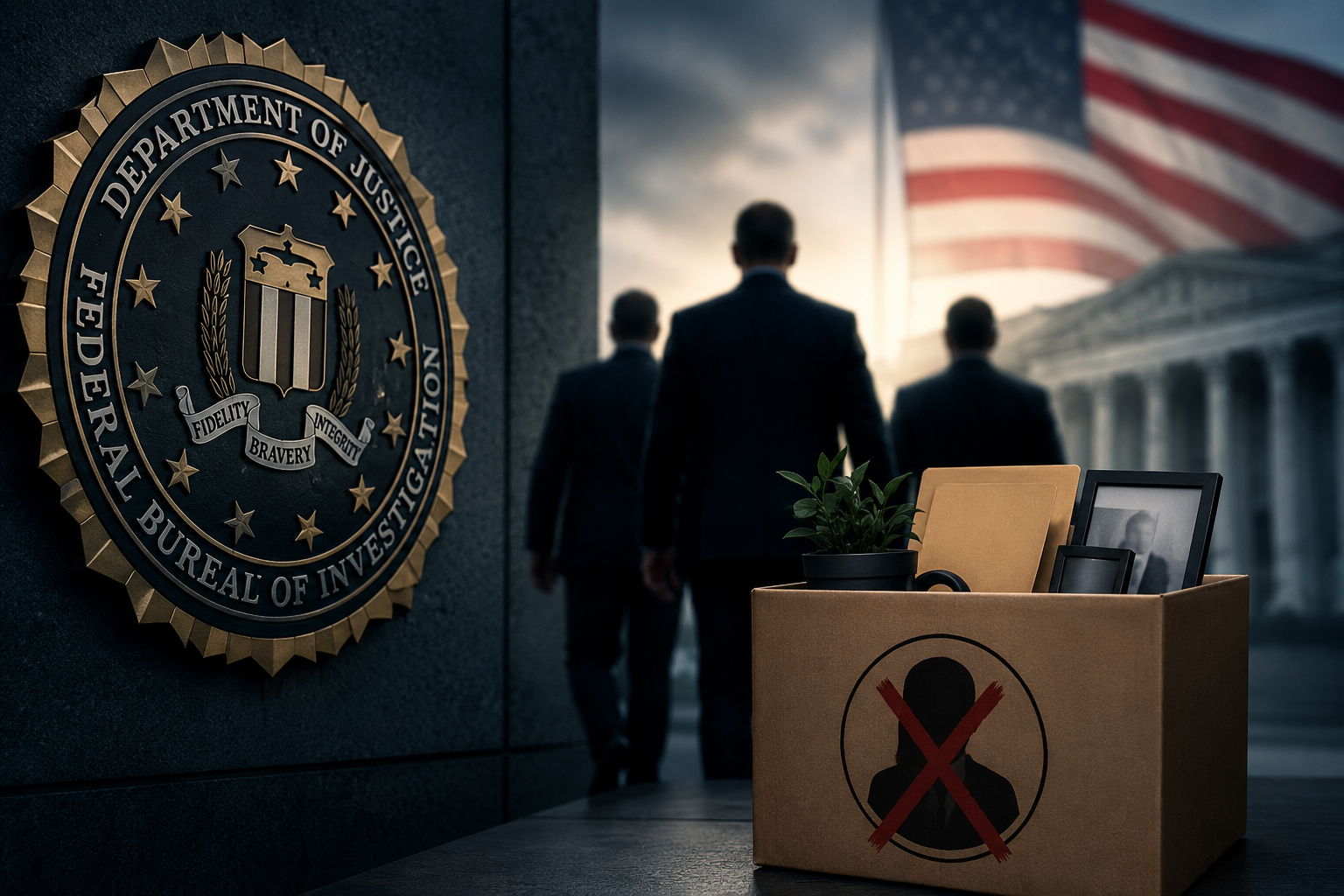
The FBI recently dismissed several employees connected to a controversial intelligence memo that created political backlash across the United States. The decision has sparked fresh discussions about religious freedom, intelligence standards, government accountability, and public trust.
Supporters of the move say the agency is holding employees accountable for poor judgment. Critics argue the dismissals could discourage analysts from doing their jobs independently.
As the debate grows, many Americans are asking a bigger question. How can security agencies protect the country while also protecting constitutional rights?
The answer is not simple. However, the controversy highlights challenges that many democratic societies face today.
Why This Story Matters
Government agencies make thousands of decisions every year. Most of them never become public news.
This case is different.
The intelligence memo became a national controversy because critics believed it unfairly connected religious beliefs with potential extremist activity. Once the document became public, lawmakers, religious organizations, and civil rights advocates quickly voiced concerns.
As a result, FBI leaders withdrew the report and started an internal review.
The issue soon moved beyond an internal policy matter. It became part of a much larger national conversation about religion, politics, and law enforcement.
Because of this, the controversy remains relevant years later.
Understanding the Original Controversy
The disputed memo focused on possible security concerns involving a small group of individuals who reportedly held certain traditional religious views while also showing interest in extremist ideas.
The authors attempted to explore whether any connection existed between those beliefs and potential security threats.
However, many critics argued that the report lacked sufficient evidence to support its conclusions.
Others worried that the language used in the assessment could create the impression that law enforcement was monitoring people because of their faith rather than their actions.
That concern quickly became the center of public discussion.
Government agencies must investigate criminal activity and security threats. At the same time, they must respect constitutional protections.
Many observers felt the memo blurred that important line.
Why the Firings Are Generating Attention
The recent dismissals have attracted national attention for several reasons.
First, the employees involved worked on an issue that already generated political controversy.
Second, the personnel decisions occurred during a period when public trust in federal institutions remains deeply divided.
Finally, many people see the firings as part of a broader effort to reshape government agencies and strengthen accountability.
Supporters argue that intelligence professionals must follow strict standards. When reports fail to meet those standards, agencies should take corrective action.
Critics see the situation differently.
They worry that punishing analysts for controversial assessments could create fear inside intelligence organizations. If analysts become afraid of professional consequences, they may avoid investigating difficult or sensitive issues in the future.
Therefore, the debate extends far beyond a single report.
It touches on the future culture of intelligence agencies.
The Difficult Job of Intelligence Analysts
Intelligence work is rarely straightforward.
Analysts often study incomplete information. They look for patterns, trends, and warning signs before problems become larger threats.
In many cases, they must evaluate risks that have not yet developed into criminal activity.
This creates a difficult challenge.
If analysts ignore warning signs, they may miss important threats. However, if they rely on weak evidence, they risk producing flawed conclusions.
As a result, intelligence agencies constantly balance caution with accuracy.
Strong analytical standards help maintain that balance.
Without those standards, agencies can lose credibility and public confidence.
That is why intelligence reports often receive extensive reviews before leaders approve them.
Even so, mistakes can happen.
Religious Freedom Remains a Major Concern
One reason this story continues to receive attention is its connection to religious freedom.
The United States Constitution protects every citizen’s right to practice religion without government interference.
Many Americans consider this protection one of the country’s most important principles.
Because of that, any government action involving religious groups receives intense scrutiny.
Citizens expect law enforcement agencies to investigate behavior, not beliefs.
When people believe that distinction is becoming unclear, concerns quickly emerge.
Religious organizations across the political spectrum have repeatedly emphasized this point.
They argue that faith alone should never create suspicion.
Instead, investigations should focus on evidence of criminal activity or credible security threats.
This principle remains central to the ongoing debate.
Politics and Public Perception
Politics has played a major role in shaping reactions to this controversy.
Over the past decade, trust in government institutions has declined among many Americans.
As a result, people often interpret the same event in very different ways.
Some view the dismissals as necessary accountability.
Others view them as politically motivated decisions.
Neither side appears willing to change its position easily.
Meanwhile, political leaders continue to use the controversy to support broader arguments about government oversight and institutional reform.
This pattern reflects a larger trend in modern politics.
Many issues that once remained internal government matters now become national political battles.
Social media, cable news, and online commentary amplify those debates even further.
What the Firings Could Mean for the FBI
The impact of these dismissals may extend beyond the employees involved.
Many experts believe the decisions could influence workplace culture inside the FBI.
Federal investigators and intelligence analysts perform complex jobs under significant pressure.
They must make difficult judgments while following strict legal and professional standards.
When controversial personnel actions occur, employees often pay close attention.
Some may become more cautious when preparing future assessments.
Others may spend additional time reviewing evidence and documentation.
In some cases, that caution can improve accuracy.
However, excessive caution may also create new challenges.
Agencies need analysts who can identify emerging risks while remaining objective and evidence-based.
Finding that balance is critical for long-term success.
Public Trust Is the Bigger Issue
Although the controversy focuses on a specific memo, the larger issue involves public trust.
National security agencies depend on public confidence.
Without trust, even legitimate actions can face skepticism.
Citizens want assurance that agencies operate fairly and professionally.
They also want confidence that constitutional rights remain protected.
When mistakes occur, agencies must respond effectively.
Transparency helps build credibility.
Accountability strengthens confidence.
Clear communication reduces misunderstandings.
For that reason, many experts believe public trust should remain a top priority for government institutions.
Trust takes years to build but only moments to lose.
Key Lessons From the Controversy
Several important lessons emerge from this debate.
Evidence Must Come First
Intelligence assessments should rely on strong evidence. Clear facts help agencies make better decisions and avoid unnecessary controversy.
Constitutional Rights Matter
Government agencies must protect public safety while respecting individual freedoms. Both responsibilities are essential.
Transparency Improves Confidence
People are more likely to trust institutions that explain their actions openly and honestly.
Accountability Should Remain Consistent
Organizations strengthen credibility when they apply standards fairly and consistently.
Professional Independence Is Important
Analysts need the freedom to evaluate information objectively. At the same time, they must remain responsible for the quality of their work.
What Could Happen Next?
The debate surrounding these dismissals is unlikely to disappear soon.
Lawmakers may continue examining the issue through oversight hearings and public discussions.
Legal experts will likely analyze the broader implications for government agencies.
Meanwhile, the FBI faces the challenge of maintaining public confidence while carrying out its mission.
Agency leaders must demonstrate that they can protect both national security and constitutional rights.
That task becomes even more important during periods of political division.
The way institutions respond to controversies often shapes public perception for years.
Therefore, many observers will watch closely to see what happens next.
Final Thoughts
The recent FBI analyst firings represent more than an internal personnel decision.
They have become part of a broader national debate about intelligence standards, religious freedom, government accountability, and public trust.
Supporters and critics continue to disagree about whether the dismissals were justified. However, most agree on one important point.
Strong institutions depend on both security and freedom.
Citizens expect government agencies to protect the country. They also expect those agencies to respect constitutional rights.
Maintaining that balance is not easy.
Yet it remains one of the most important responsibilities of any democratic society.
As discussions continue, the controversy serves as a reminder that public trust, transparency, and accountability remain essential pillars of effective government.
Read More:-
https://apnews.com/article/fbi-kash-patel-firings-e9793d06e6310bfcd848b55bf8c47cc6
About the Author