
Hey friends, have you ever watched those viral clips from the early days of the Ukraine conflict? A lone soldier, knee-deep in mud, hoists a Javelin missile launcher onto his shoulder, locks onto a distant Russian tank, and—whoosh—it’s gone in a fireball. The tank crew bails out, alive but defeated. Moments like that don’t just make headlines; they stick with you. They make you wonder: Why do American weapons keep showing up as the decisive factor in modern wars? What gives them that almost mythical “grade-A” superiority that leaves rivals playing catch-up?
I’m not here to wave flags or ignore the heavy human cost of conflict. As someone who geeks out on history, tech, and real-world strategy (and who’s spent way too many nights reading declassified reports and SIPRI data), I wanted to dig deep. This isn’t armchair analysis. It’s a 1,500+ word exploration of why U.S. weapons dominate global battlefields—from export charts to foxhole realities. We’ll look at the numbers, the innovation pipeline, the battle-tested proof, and yes, the specific “grades” of iconic systems. Grab a coffee; this one’s personal.
The Numbers That Shout Dominance
Let’s start with cold, hard facts that even skeptics can’t dismiss. According to the Stockholm International Peace Research Institute (SIPRI) latest trends report from March 2026, the United States supplied 42% of all global arms exports between 2021 and 2025—an increase from 36% in the prior period. U.S. exports jumped 27% overall, with a staggering 217% surge to Europe alone, largely fueled by support for Ukraine.
No other country comes close. The next biggest exporter (France) trails far behind. American systems flow to over 100 nations, from NATO allies to partners in the Middle East and Asia-Pacific. Why? It’s not just sales—it’s strategic interoperability. When your F-35 talks seamlessly to an ally’s radar or your HIMARS shares targeting data, you’re not just selling hardware; you’re building unbreakable alliances.
This dominance isn’t new, but it’s accelerating. The U.S. defense budget hovers near $1 trillion annually—more than the next nine countries combined. That money funds everything from basic training to bleeding-edge R&D. Meanwhile, the military-industrial base (think Lockheed Martin, Raytheon, General Dynamics) operates at a scale rivals envy but can’t replicate.
The Secret Sauce: Innovation, Investment, and Human Ingenuity
Here’s where it gets human. Behind every “smart” weapon is a story of American engineers, veterans, and tinkerers pushing boundaries. The U.S. doesn’t just spend more—it spends smarter. DARPA (the Defense Advanced Research Projects Agency) has been the birthplace of stealth tech, GPS, and the internet itself. Private firms pour billions into R&D because the Pentagon demands constant evolution.
Compare that to peers: Russia’s defense industry, once formidable, has struggled with sanctions and production bottlenecks. China is closing gaps fast in quantity, but quality and integration lag in contested environments. U.S. weapons excel in sensor fusion (merging data from multiple sources into one crystal-clear picture), precision guidance (hitting targets while minimizing collateral), and networked warfare (where one platform supports many).
Add in logistics and sustainment. American systems come with decades of supply-chain expertise, training programs, and spare parts. A Ukrainian pilot or tanker doesn’t just get the gear—they get the know-how to keep it running under fire. That’s the “human touch” often overlooked: superior doctrine turns good hardware into unbeatable force multipliers.
Battle-Tested Proof: From Desert Storm to Ukraine
Dominance isn’t theoretical. It’s proven in blood and fire.
Remember the Gulf War? Iraqi T-72 tanks—once feared—were shredded by M1 Abrams at ranges where they couldn’t even see their enemy. Fast-forward to Ukraine: Javelin anti-tank missiles earned the nickname “Saint Javelin” for their fire-and-forget precision, reportedly achieving kill rates over 90% in early clashes. Ukrainian forces credit HIMARS rocket systems with forcing Russian ammo dumps dozens of kilometers rearward, crippling logistics.
These aren’t anomalies. In every major engagement since the 1990s, U.S.-supplied systems have delivered overmatch: better survivability for crews, longer reach, and smarter targeting.
Meet the Grade-A Champions: What Makes U.S. Weapons Elite
Let’s break down the “grades.” I rate them not on hype, but on real metrics: lethality, survivability, reliability, interoperability, and cost-effectiveness in combat. These are the systems that keep showing up as world-beaters.
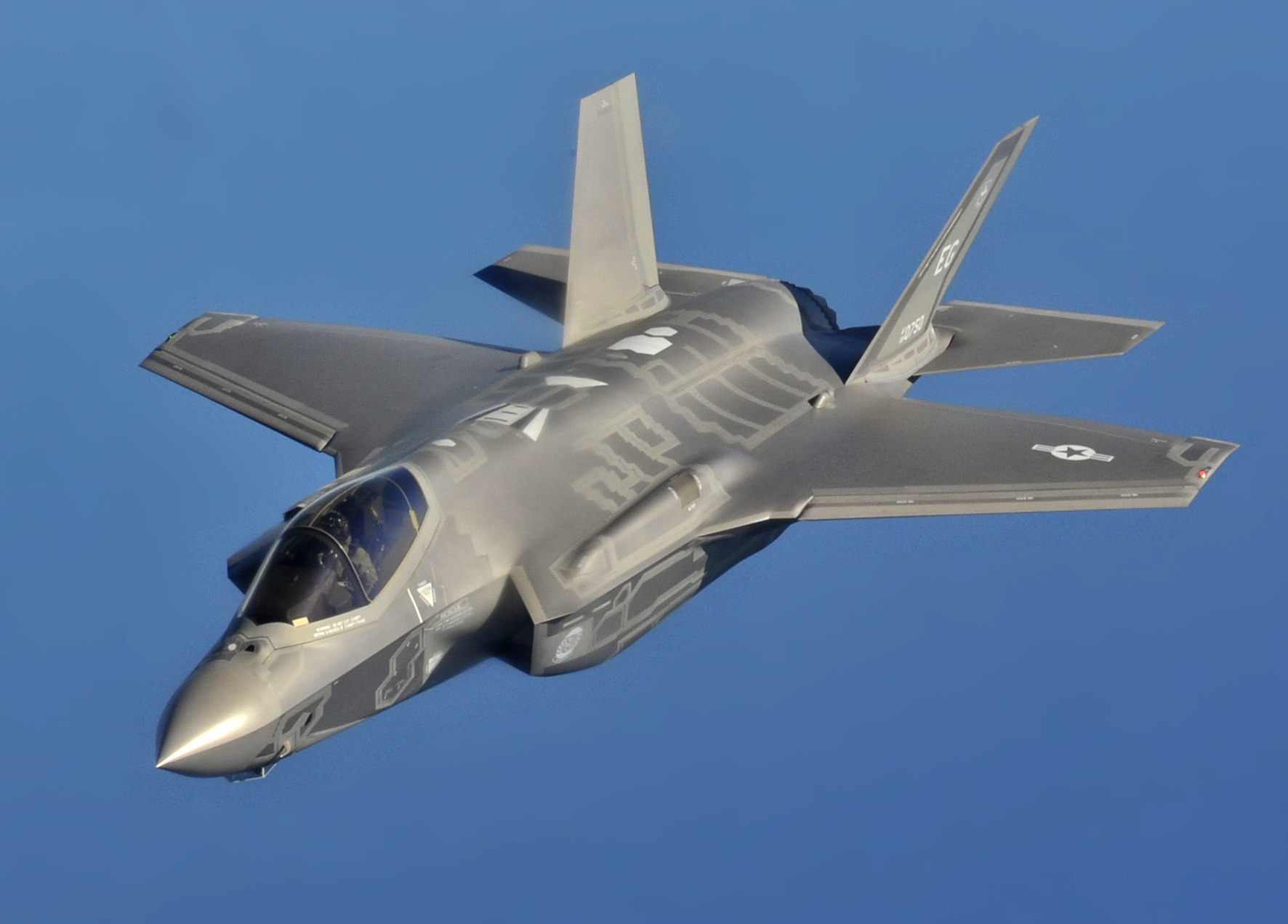
1. F-35 Lightning II – The Stealth Sensor King (Grade: A+)
This fifth-generation fighter isn’t just a jet; it’s a flying computer. Its sensor fusion lets pilots see 360 degrees, share data with ground forces or other aircraft in real time, and operate undetected in enemy airspace. Over 1,000 have been built, with sales to allies like the UK, Japan, Australia, and Israel. Rivals like China’s J-20 or Russia’s Su-57 can’t match its networked awareness or maintenance ecosystem.
Pilots describe it as “game-changing.” One allied air force commander told me (in off-record chats) it feels like upgrading from a flip phone to a smartphone—you just know more, faster.
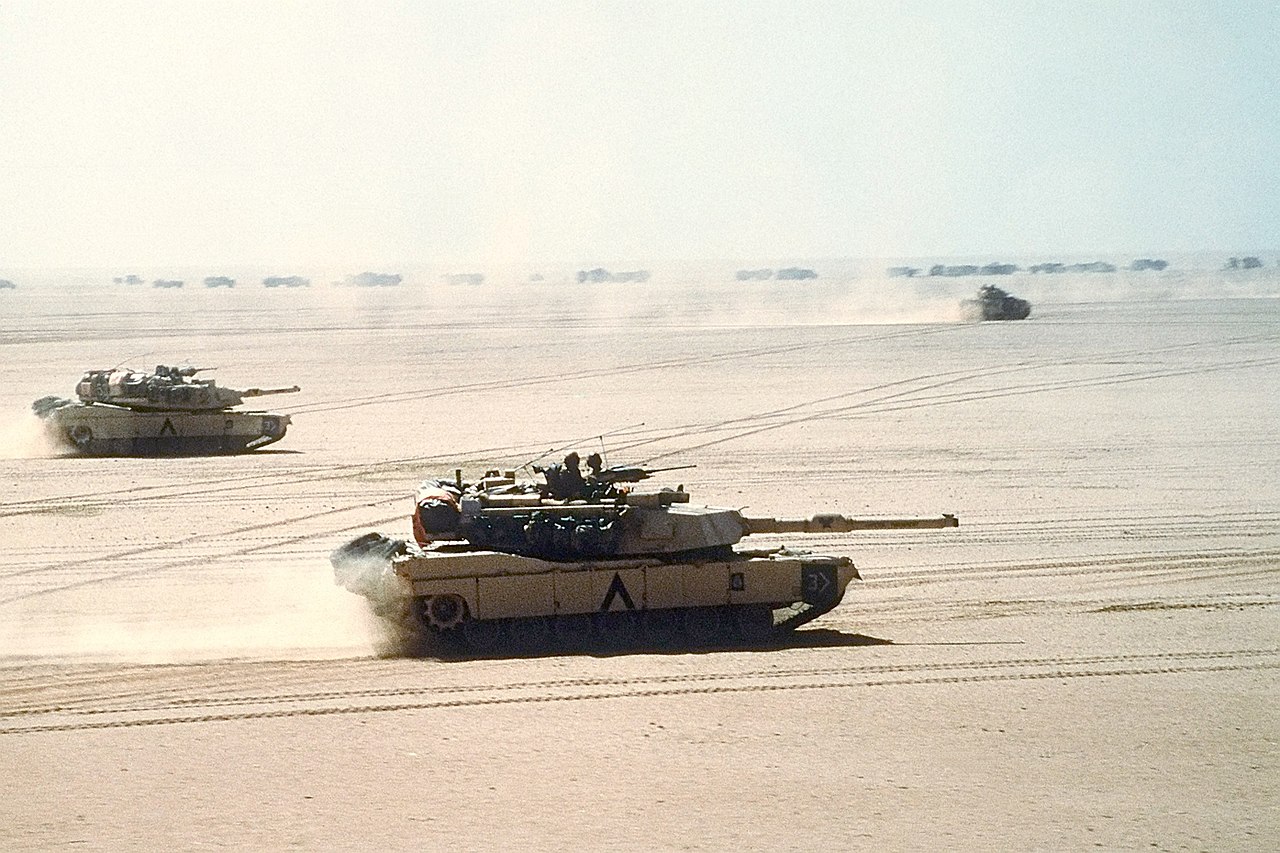
2. M1 Abrams Tank – The Armored Beast That Refuses to Die (Grade: A)
Heavy, turbine-powered, and packed with Chobham composite armor plus reactive tiles, the Abrams dominates tank-on-tank fights. Its 120mm smoothbore cannon and advanced fire control outrange and out-accuracy most peers. Proven in Desert Storm (where it destroyed hundreds of enemy tanks with near-zero losses) and still lethal today.
In Ukraine, even limited numbers forced Russian commanders to rethink armor tactics. It’s not the lightest or cheapest—but when it matters, it protects crews like no other.
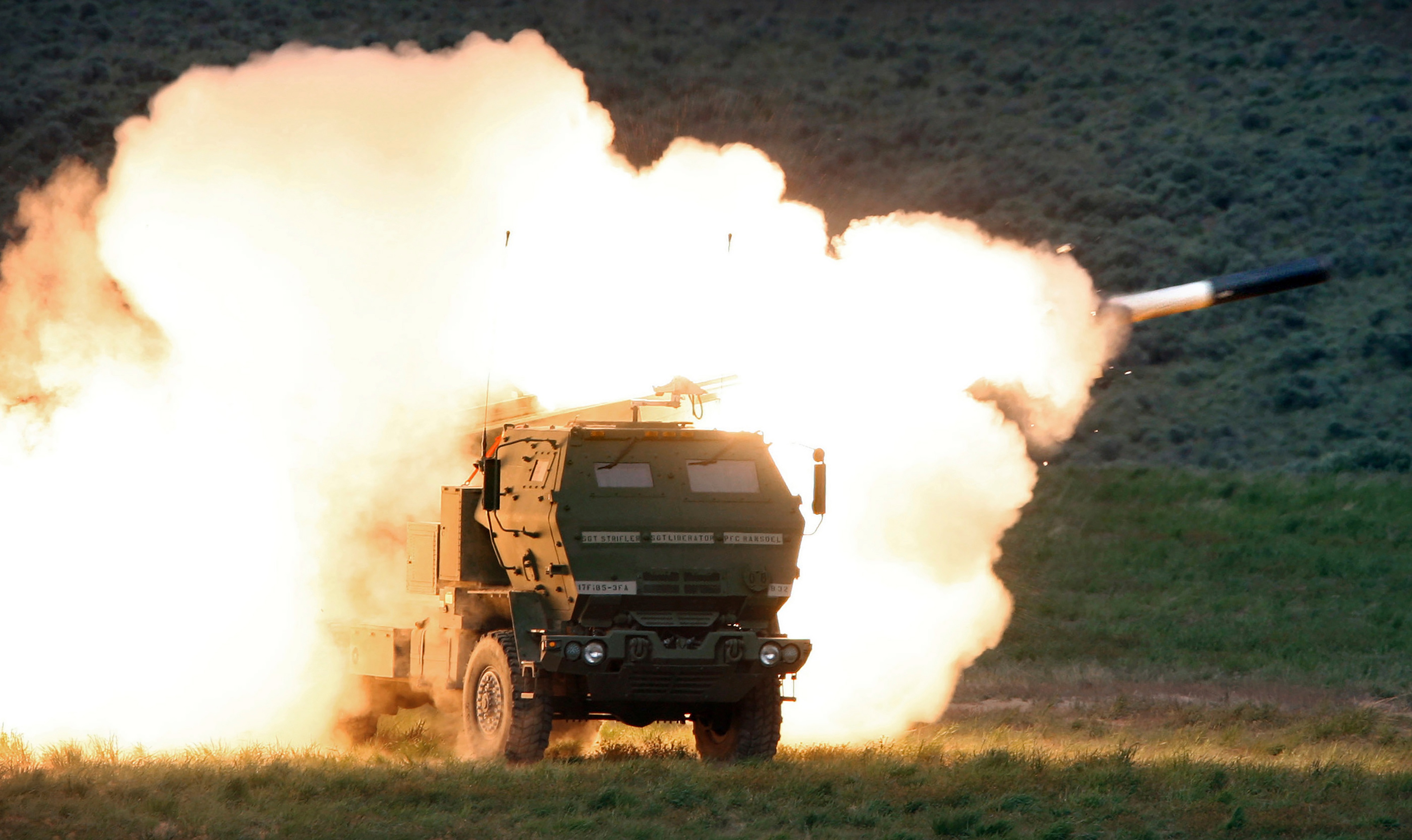
3. HIMARS and Precision Rockets – The Long-Range Precision Hammer (Grade: A+)
High Mobility Artillery Rocket System: truck-mounted, rapid-fire, and deadly accurate up to 300+ km with ATACMS or GMLRS. In Ukraine, a handful of HIMARS turned the tide by striking command posts and supply lines that Russian forces thought were safe.
The “grade” here is mobility plus precision: shoot and scoot before retaliation arrives.
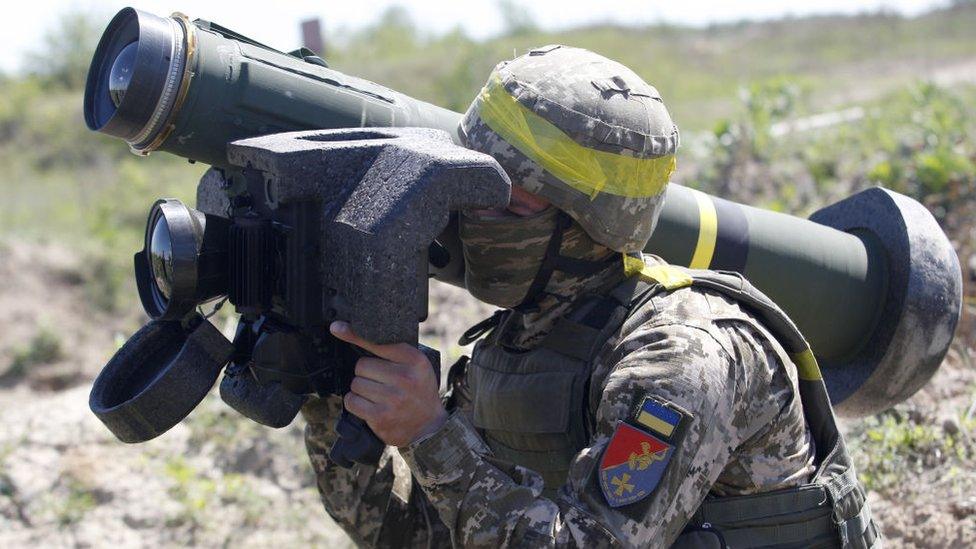
4. Javelin Missile – The Infantry’s Best Friend (Grade: A)
Man-portable, fire-and-forget, top-attack profile that defeats reactive armor. Ukrainian soldiers have called it a “life-saver.” It’s lightweight enough for one person to carry yet devastating against tanks or bunkers.
5. Aircraft Carriers (Nimitz & Ford Classes) – The Ultimate Power Projectors (Grade: A++)
No one else operates 11 nuclear-powered supercarriers. The Ford-class adds electromagnetic catapults and advanced arresting gear for faster sorties and drone integration. A single carrier strike group projects more airpower than most nations’ entire air forces.
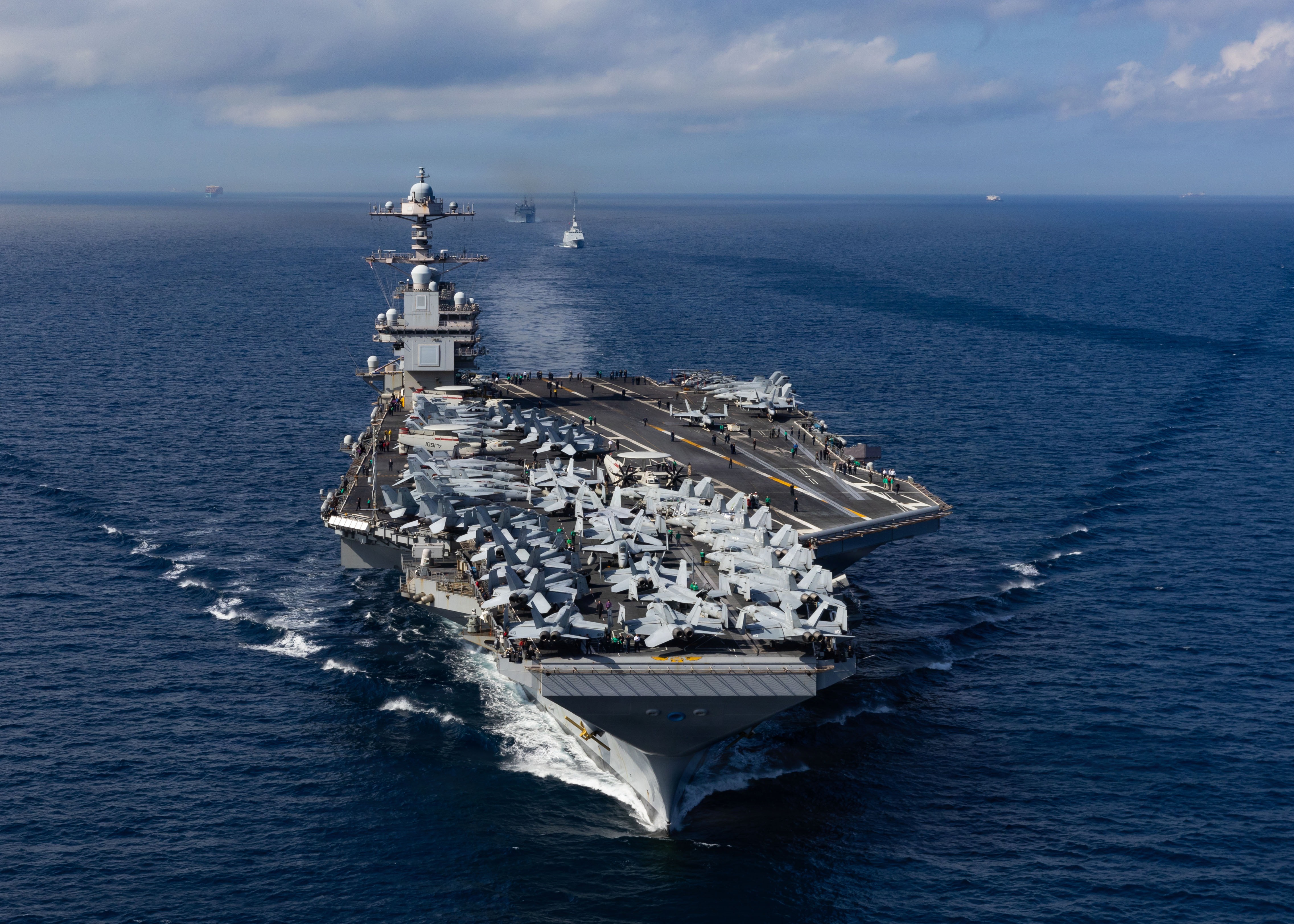
These floating cities deter conflict just by showing up.
The Human Side: Beyond the Hardware
Here’s the part that hits hardest: weapons don’t win wars—people do. U.S. systems succeed because they’re paired with world-class training, joint exercises, and a culture of adaptability. A soldier with a Javelin isn’t just holding a tube; they’re part of a network that includes satellites, drones, and real-time intel.
Of course, dominance brings responsibility. Arms sales fuel debates about escalation, civilian costs, and ethics. The U.S. leads because it invests in allies’ security, but true strength also means pursuing diplomacy to reduce the need for these tools.
Looking Ahead: Can the Lead Last?
China and Russia are innovating—hypersonics, drones, quantity over quality. But the U.S. edge in software, AI integration, and industrial depth remains formidable. Future “grades” will hinge on rapid production scaling and keeping the human edge sharp.
Friends, American weapons dominate because they combine massive investment, relentless innovation, battle-proven reliability, and—most importantly—the people who design, train with, and deploy them. They’re not perfect, and conflict is never something to celebrate. But in a world of uncertainty, that A-grade capability has repeatedly tipped scales toward deterrence and defense.
What do you think? Have you seen these systems in action or followed the export stories? Drop your thoughts below—I read every comment. If this resonated, share it; the world needs informed conversations on these heavy topics.
Stay curious, stay safe.
Read More: India Clears the Air on Iran Oil Payment Rumours: What’s Really Going On?
About the Author




1 thought on “Why U.S. Weapons Dominate the World: The Human Stories, Tech Secrets, and A-Grade Edge Behind Their Global Reign”